
Decentralized Carbon Credit Trading & Certification Platform
POWERING CARBON TRADE FOR THE FUTURE
POWERING CARBON TRADE FOR THE FUTURE
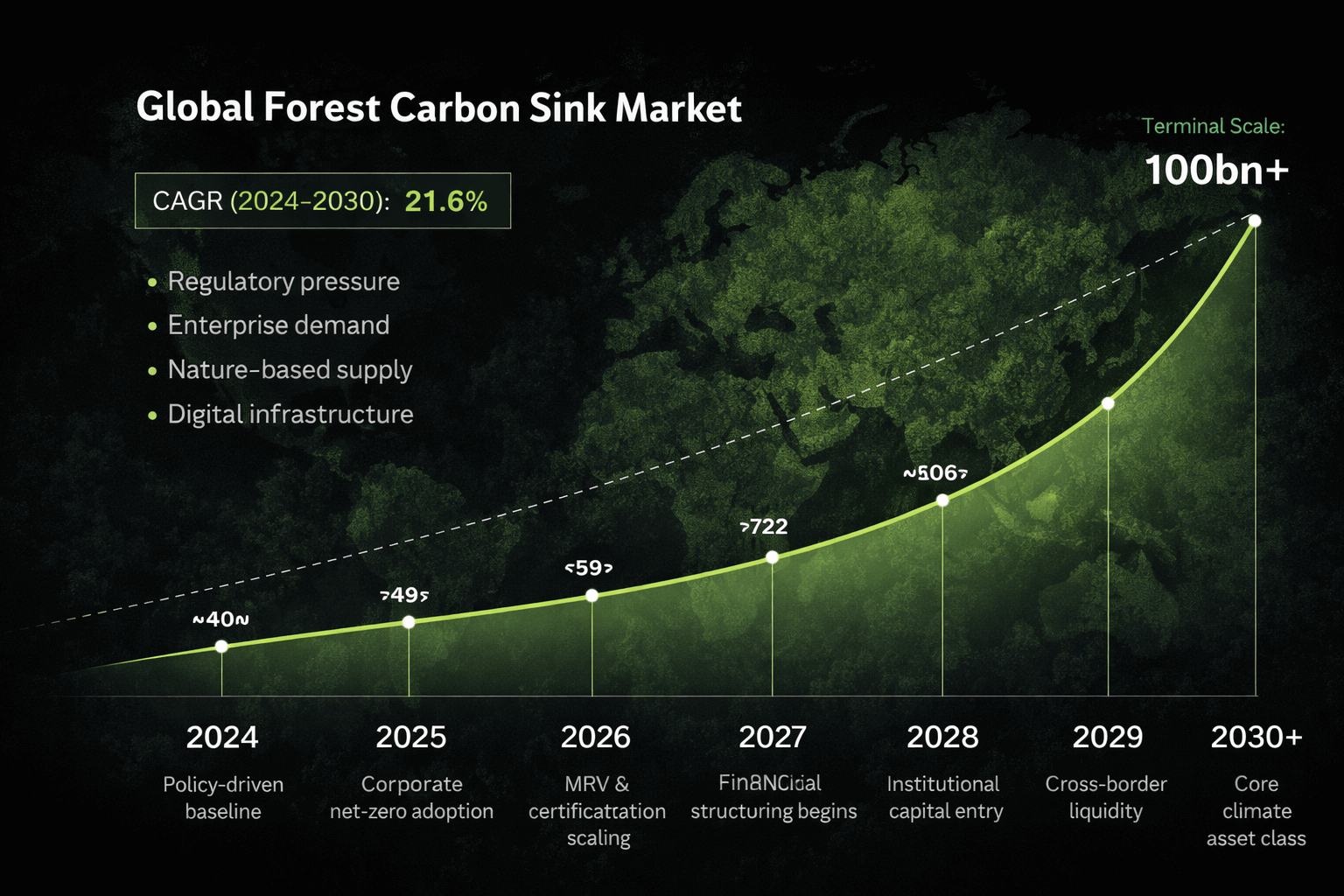
According to market research, the global forest and land use carbon sink market was worth approximately US$25.8 billion in 2024 and is projected to grow to US$105.2 billion by 2030, representing a CAGR of approximately 15.7%. During the same period, more than 6,200 carbon projects were registered globally. In 2024, these projects issued approximately 305 million tons of CO₂ carbon credits, showing rapid growth. Overall, natural-based solutions (such as forest conservation and reforestation) dominate carbon credit supply: MSCI data shows that 305 million tons of carbon credits were issued and 180 million tons were decommissioned in 2024, of which approximately 9% were for atmospheric carbon removal projects (almost all of which were forest-based carbon sinks), and 36% came from other natural-based projects.
Article 6 of the Paris Agreement in 2025, concerning carbon markets (especially paragraph 2), focuses on ensuring their harmonization with the Nationally Determined Contributions (NDCs) of the Paris Agreement and avoiding "greenwashing." Forest carbon sinks, as an important means of emission reduction and a source of international carbon credits, are of high quality, authenticity, permanence, and avoidance of negative impacts on communities, ensuring their effective inclusion in and achievement of emission reduction targets.
Negotiations are underway with nine other countries, including Gabon, Laos, Indonesia, Brazil, Nigeria, Papua New Guinea, Malaysia, and Thailand.
The world's leading DAO-based decentralized carbon credit certification & settlement infrastructure.
Multi-country forest carbon sink supply + ownership/licensing chain
Satellite remote sensing + AI algorithms + on-site verification form an MRV closed loop.
A globally limited number of AI agents will participate in carbon credit confirmation, monitoring, and trading. Decentralization and profit redistribution will be implemented.

Sarah Jenkins (Stanford University): A partner at a leading U.S. Climate Tech fund. With extensive post-investment experience in Direct Air Capture (DAC), she specializes in global pricing and hedging strategies for carbon assets.

Marcus Müller (ETH Zurich): A renowned cryptographer specializing in Multi-party Computation (MPC). He provides CarbonX with institutional-grade key management and distributed data sovereignty solutions.

Dr. Chen Wei (Tsinghua University): A former expert in China's Carbon Trading Pilot programs. Dr. Chen is a master of CCER (Certified Voluntary Emission Reduction) methodologies and ecological compensation models, specializing in the conversion of natural carbon sinks into high-quality digital assets.

Zhao Zihan (Fudan University): Formerly the Head of DeFi Research at a top-tier investment fund. She is an expert in dynamic interest rates and liquidity incentive models, specializing in designing secondary market economic drivers for carbon credit tokens.

Alistair Vance (University of Oxford): An ESG quantitative analysis expert who participated in the design of major European carbon emission indices. He specializes in constructing green financial derivatives and their respective economic valuation models.

Benjamin Tan (National University of Singapore): A former compliance officer at the Monetary Authority of Singapore (MAS). He is highly proficient in the Payment Services Act (PSA) and specializes in building compliance frameworks and Anti-Money Laundering (AML) mechanisms for carbon trading platforms.

Wang Shuo (Shanghai Jiao Tong University): A cross-chain protocol architect. He focuses on the technical implementation of Zero-Knowledge Proofs (ZKP) for the clearing and settlement of carbon assets across heterogeneous chains, enhancing the security of asset circulation.
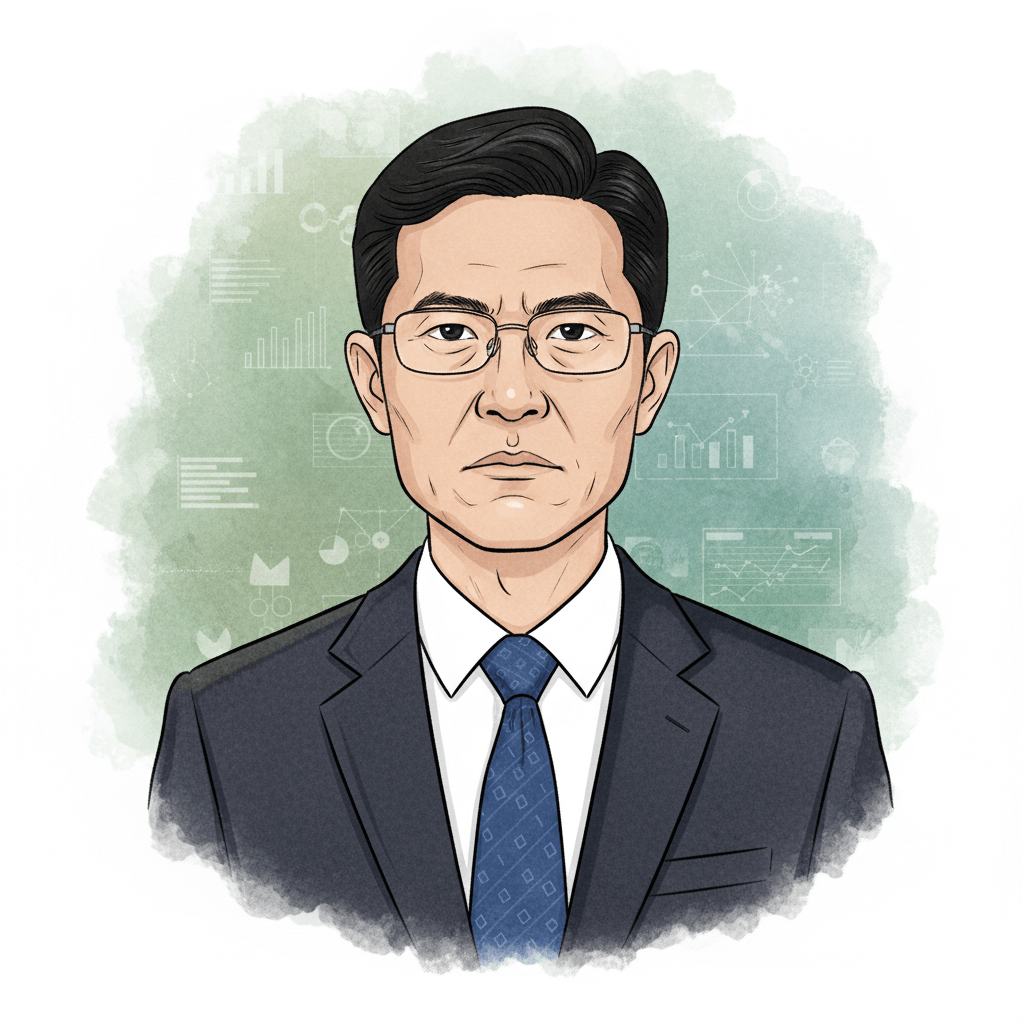
Liu Yang (Peking University): A senior scientist in privacy-preserving computation. His research focuses on the application of TEE (Trusted Execution Environments) for on-chain carbon footprint tracing, effectively resolving privacy concerns regarding corporate emission data.
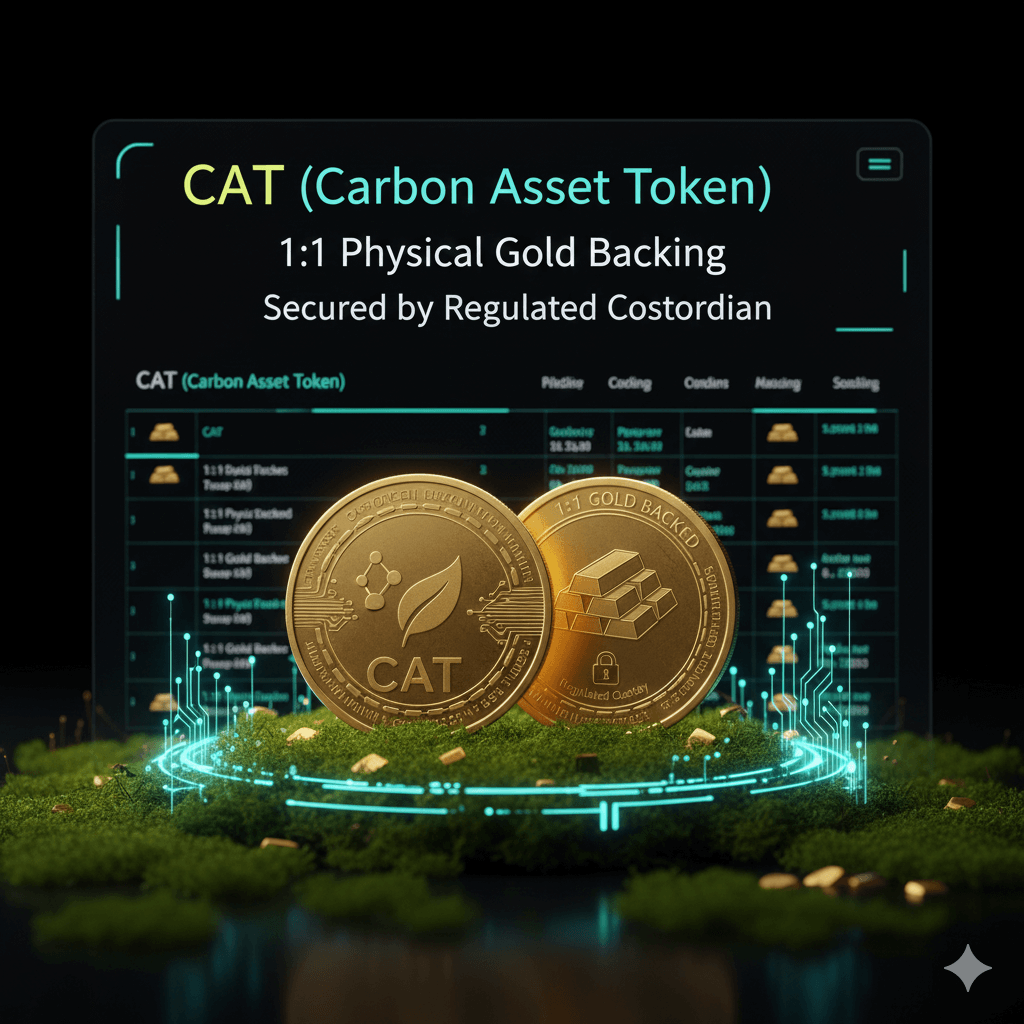
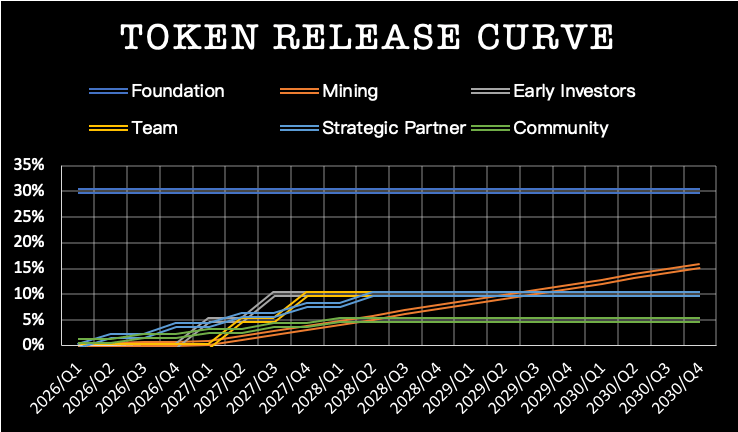
The foundation will establish a brand-new digital treasury, constructing a multi-asset portfolio using CAT carbon sink asset tokens, BTC decentralized scarce assets, and PAXG physical gold-mapped assets. This architecture is the first to systematically allocate sustainable carbon sink revenues with the value stability of digital and physical gold. Through low asset correlation and transparent on-chain management, it achieves a balance of risk diversification, long-term value preservation, and compliant auditability, providing a replicable innovative paradigm for institutional-grade digital treasuries.
The first batch of 500 intelligent agents will be available in limited quantities.
African countries' forest carbon sinks are increasingly being added to CarbonX ecosystem.
The first tradable forest carbon sink platform compatible with CarbonX launched.
FOX Token Listing and Full Tradability
Engaging at COP31: Platform Go-live with an allocation of 1,000 CarbonX Agents
The CarbonX Foundation was established to build the DAT treasury.
Integration of CAT Tokens into the Corporate Treasury of a US-listed DAT Entity.
Liquidity Provision for Agents: Transitioning to Secondary Market Trading.
CarbonX: Establishing the New Paradigm for Forest Carbon Sequestration Standards.